History
The northern half of the line was built by the private Kyushu Railway. Kyushu's first railway, between Hakata and a temporary Chitosegawa station on the north bank of the Chikugo River, opened on 11 December 1889. The company opened the 197 km Mojiko–Hakata–Kumamoto section between 1889 and 1891, extended the line south to Yatsushiro by 1896, and was nationalised on 1 July 1907.
The southern half has a more complicated origin. The line at the southern end from Kagoshima to Hayato (now part of the Nippo Main Line) opened in 1901, and a route to Yatsushiro by way of Hitoyoshi was completed in 1909, providing the original inland connection between Kagoshima and Yatsushiro. Partly for reasons of national defence, this route, the shortest, initially served as the trunk line; it is now the Hisatsu Line. A coastal route was then built: the Kagoshima–Sendai section opened between 1913 and 1914, and the Sendai–Yatsushiro section between 1922 and 1927. On 17 October 1927 the Yatsushiro–Sendai–Kagoshima coastal route was incorporated into the Kagoshima Main Line, replacing the inland route as its southern part.
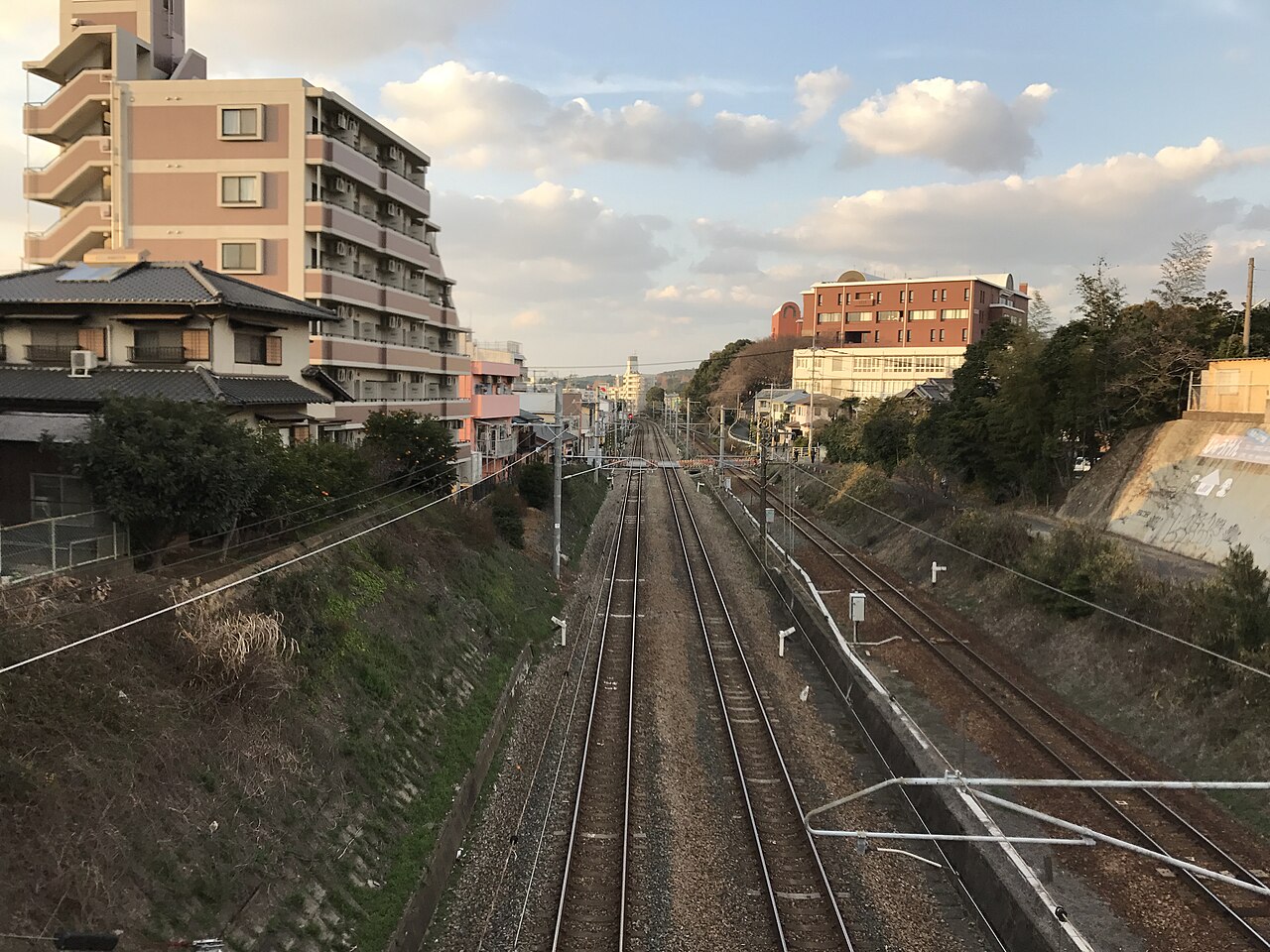
The line was progressively double-tracked over many decades. The Moji to Kokura section was double-tracked in 1897. Originally, the Kokura–Kurosaki section ran inland, away from the coast, because the army was concerned that a coastal route would be vulnerable to naval gunfire; after Japan's victory in the 1904 Russo-Japanese War, that concern faded, and in 1908 the section was moved to a 14 km double-track alignment to the west of the original line. The 11 km section it replaced became the Okura Line, which closed in 1911. Double-tracking reached Tosu by 1921, Hizen-Asahi in 1934 and Kurume in 1942, then advanced to Araki in 1961, to Kumamoto in 1968 and Yatsushiro in 1970; in the south, double-tracking between Kagoshima and Higashi-Ichiki was completed in 1980. Electrification followed in parallel: the Mojiko–Kurume section was electrified on 1 June 1961, and electrification of the whole line was completed with the Kawashiri–Kagoshima section on 1 September 1970.
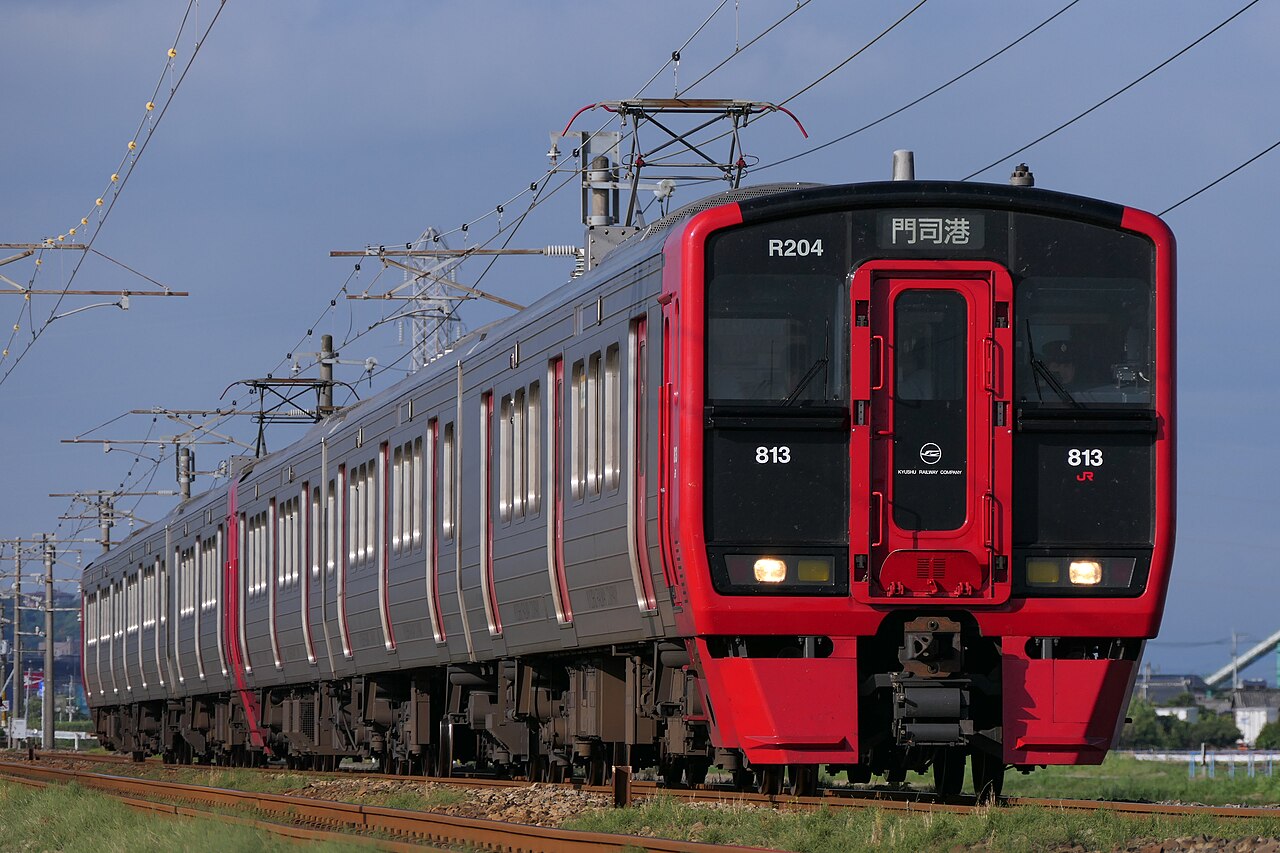
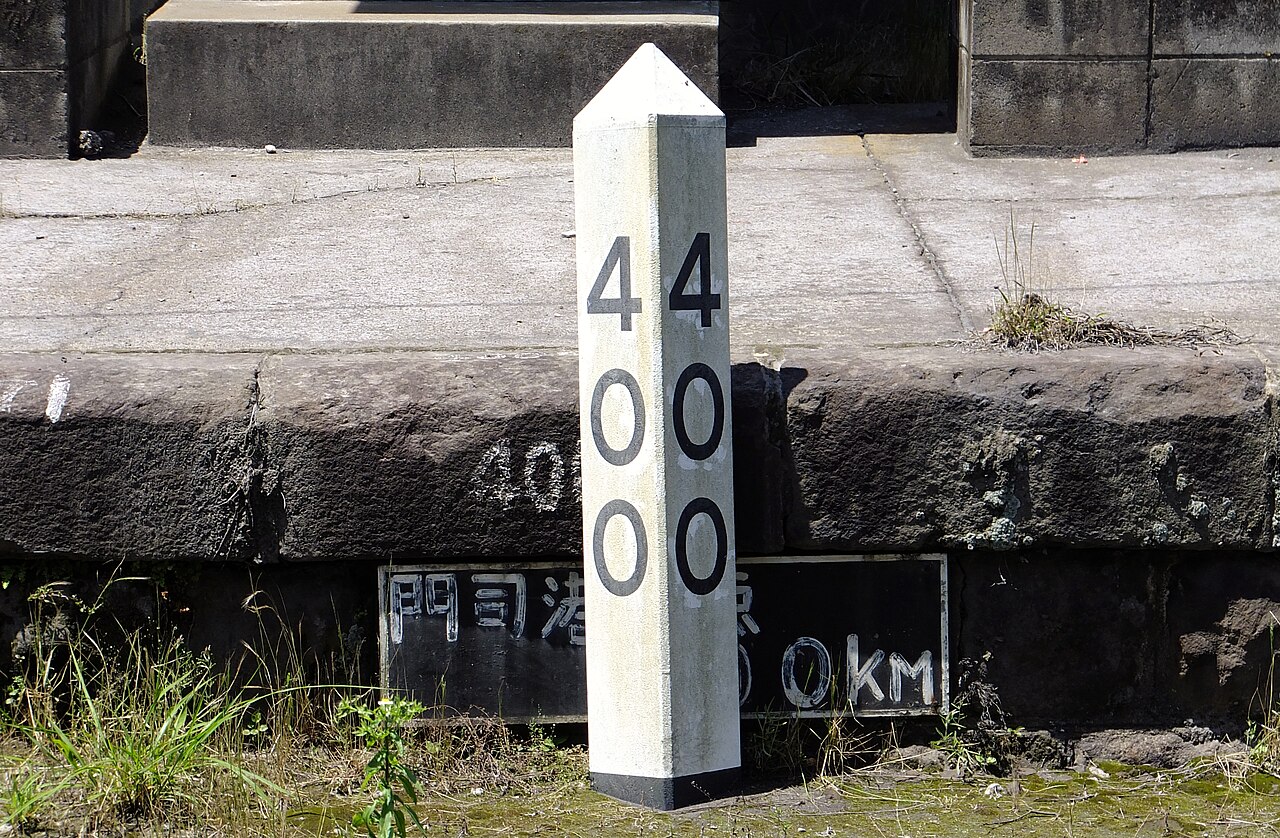
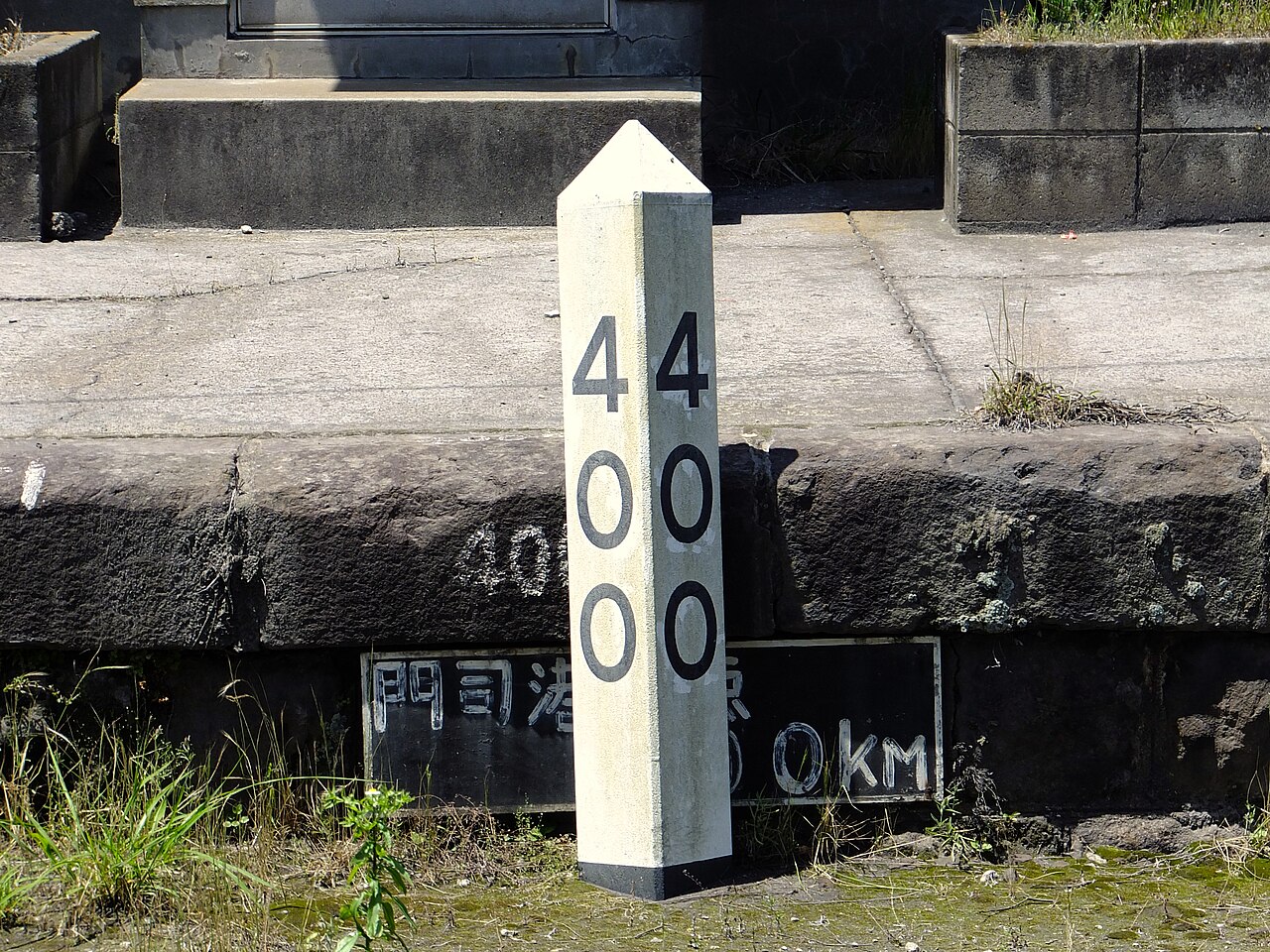
At privatisation of Japanese National Railways on 1 April 1987, the line passed to JR Kyushu. The maximum operating speed on the Hakata–Yatsushiro section was raised to 130 km/h on 10 March 1990. When the first stage of the Kyushu Shinkansen (Shin-Yatsushiro–Kagoshima-Chuo) opened on 13 March 2004, the parallel Yatsushiro–Sendai section — a length of 116.9 km — was transferred to the third-sector Hisatsu Orange Railway, splitting the Kagoshima Main Line into its present Mojiko–Yatsushiro and Sendai–Kagoshima sections; on the same day Nishi-Kagoshima Station was renamed Kagoshima-Chuo. When the Kyushu Shinkansen was completed in full in 2011, the parallel Hakata–Shin-Yatsushiro conventional section was not separated and remains operated by JR Kyushu. The Mojiko–Kagoshima distance was exactly 400.0 km from 1927 until 1963; the re-routing that accompanied the relocation of Hakata Station in 1963 shortened it by 0.5 km, and a 1999 re-alignment between Edamitsu and Yahata by a further 1.0 km, so the real Mojiko–Kagoshima distance, including the 116.9 km now operated by the Hisatsu Orange Railway, is 398.5 km.
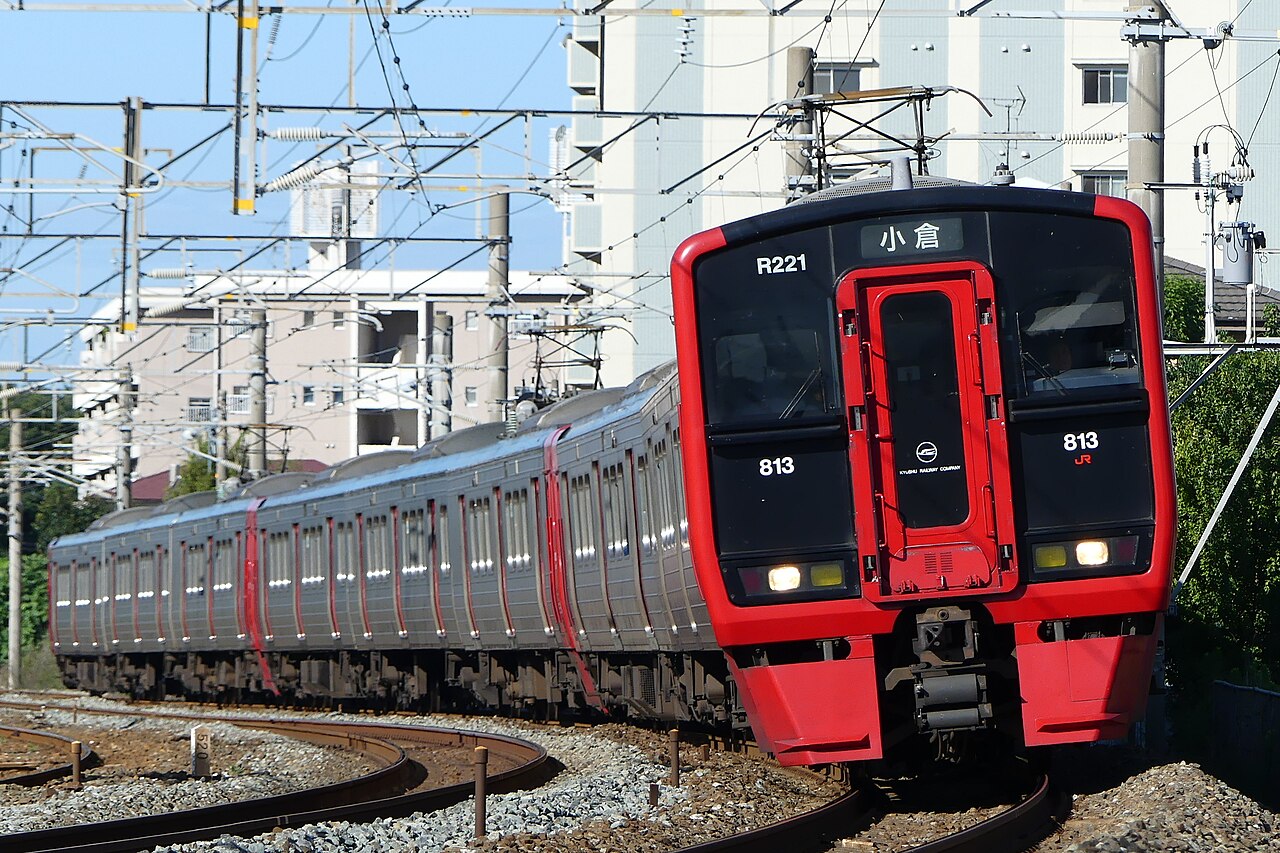
The line is operated by JR Kyushu, with JR Freight as a Type-2 operator running freight services and also holding a Type-1 freight branch from Kashii to the Fukuoka Freight Terminal. Route distances are 232.3 km for the Mojiko–Yatsushiro section and 49.3 km for the Sendai–Kagoshima section; with the 3.7 km freight branch, the line totals 285.3 km. The maximum speed is 130 km/h on the Mojiko–Yatsushiro section and 95 km/h on the Sendai–Kagoshima section. Station numbering (prefixes JA and JB, with a red line colour) was introduced on the Mojiko–Arao section on 28 September 2018, and IC fare cards (SUGOCA) were rolled out from 1 March 2009 and extended line-wide on 1 December 2012. The line has 96 passenger stations.
Stations on this line
96 stations tracked on the map, listed alphabetically. Select any to read its page.
- Akama赤間
- Araki (Fukuoka)荒木
- Arao (Kumamoto)荒尾
- Arisa有佐
- Chidori千鳥
- Chihaya千早
- Chikugo Funagoya筑後船小屋
- Ebitsu海老津
- Edamitsu枝光
- Fukkodaimae (Fukuoka Institute of Technology)福工大前
- Fukuma福間
- Futsukaichi二日市
- Ginsui銀水
- Hainuzuka羽犬塚
- Hakata博多
- Hakozaki箱崎
- Haruda原田
- Higashi-Ichiki東市来
- Higashifukuma東福間
- Higo-Ikura肥後伊倉
- Hiroki広木
- Hizen Asahi肥前旭
- Ichiki市来
- Ijuin伊集院
- Jin'noharu陣原
- Kagoshima鹿児島
- Kagoshima-Chuo鹿児島中央
- Kami-Ijuin上伊集院
- Kami-Kumamoto上熊本
- Kamimuragakuen-mae神村学園前
- Kashii香椎
- Kasuga (Fukuoka)春日
- Kawashiri川尻
- Keyaki-daiけやき台
- Kiyama (Saga)基山
- Kobanchaya木場茶屋
- Koga (Fukuoka)古賀
- Kokura小倉
- Komorie小森江
- Konoha木葉
- Kumamoto (JR Kyushu)熊本
- Kumanojo隈之城
- Kurosaki黒崎
- Kurume久留米
- Kushikino串木野
- Kyoikudai-mae教育大前
- Kyusandaimae (Kyushu Sangyo University)九産大前
- Kyūshūkōdaimae九州工大前
- Matsubase松橋
- Minami Fukuoka南福岡
- Minami-Arao南荒尾
- Minami-Setaka南瀬高
- Mizuki水城
- Mizumaki水巻
- Moji門司
- Mojiko門司港
- Nagasu長洲
- Nishi-Kokura西小倉
- Nishi-Kumamoto西熊本
- Nishimuta西牟田
- Nishisato西里
- Ogawa (Kumamoto)小川
- Omuta大牟田
- Ongagawa遠賀川
- Ono-shimo大野下
- Onojo大野城
- Orio折尾
- Sasabaru笹原
- Satsuma-Matsumoto薩摩松元
- Sencho千丁
- Sendai (Kagoshima)川内
- Setaka瀬高
- Shin-Yatsushiro新八代
- Shingu-Chuo新宮中央
- Shishibuししぶ
- Sojodaigakumae崇城大学前
- Space Worldスペースワールド
- Tabarazaka田原坂
- Takeshita竹下
- Tamana玉名
- Tashiro田代
- Tenpaizan天拝山
- Tobata戸畑
- Tofuro-Minami都府楼南
- Togo東郷
- Tomiai富合
- Tosu鳥栖
- Ueki植木
- Uto (Kumamoto)宇土
- Wataze渡瀬
- Yahata八幡
- Yatsushiro八代
- Yayoigaoka弥生が丘
- Yoshino (Fukuoka)吉野
- Yoshizuka吉塚
- Yunomoto湯之元
Timeline
- 188911 December: the Kyushu Railway opens the first segment, Hakata to the temporary Chitosegawa station on the north bank of the Chikugo River; the 197 km Mojiko–Hakata–Kumamoto section opened between 1889 and 1891.
- 189621 November: the line is extended south to Yatsushiro.
- 189720 April: the Moji to Kokura section is double-tracked.
- 19071 July: the Kyushu Railway is nationalised.
- 1908The Kokura–Kurosaki section is moved to a 14 km double-track alignment to the west of the original line; the original section becomes the Okura Line.
- 190921 November: the route via Hitoyoshi is completed, providing the original inland connection between Kagoshima and Yatsushiro.
- 1911The original 11 km Kokura–Kurosaki section, renamed the Okura Line, closes.
- 192717 October: the Yatsushiro–Sendai–Kagoshima coastal route is incorporated into the Kagoshima Main Line, replacing the inland route via Hitoyoshi (now the Hisatsu Line); the station that is now Kagoshima-Chuo is renamed Nishi-Kagoshima.
- 1942Double-tracking reaches Kurume (the line having been double-tracked as far as Tosu by 1921, and to Hizen-Asahi in 1934).
- 19611 June: the Mojiko–Kurume section is electrified. Double-tracking reaches Araki.
- 19631 December: re-routing on the relocation of Hakata Station shortens the line by 0.5 km (the Mojiko–Kagoshima distance had been exactly 400.0 km since 1927).
- 19701 September: electrification of the whole line is completed. Double-tracking reaches Yatsushiro.
- 1980Double-tracking of the Kagoshima–Higashi-Ichiki section is completed.
- 19871 April: on the privatisation of Japanese National Railways, the line is taken over by JR Kyushu.
- 199010 March: the maximum operating speed on the Hakata–Yatsushiro section is raised to 130 km/h.
- 19992 July: the Edamitsu–Yahata section is switched to a new alignment via Space World station, shortening the operating distance by 1.0 km.
- 200413 March: with the partial opening of the Kyushu Shinkansen (Shin-Yatsushiro–Kagoshima-Chuo), the Yatsushiro–Sendai section (116.9 km) is transferred to the third-sector Hisatsu Orange Railway, splitting the line in two; Nishi-Kagoshima is renamed Kagoshima-Chuo.
- 20091 March: the SUGOCA IC card is introduced on the Mojiko–Arao section.
- 201112 March: on the full opening of the Kyushu Shinkansen, the parallel Hakata–Shin-Yatsushiro conventional section is not separated and remains with JR Kyushu; Funagoya Station is relocated and renamed Chikugo-Funagoya.
- 20121 December: SUGOCA usability is extended to the Arao–Yatsushiro and Sendai–Kagoshima sections, making it available line-wide.
- 201828 September: station numbering (prefixes JA and JB) is introduced on the Mojiko–Arao section.
Sources
Last updated 16 October 2026.
Gallery 6 photos
Every photo for this page. Tap any image to view it full-size. All from Wikimedia Commons (credit under each).