History
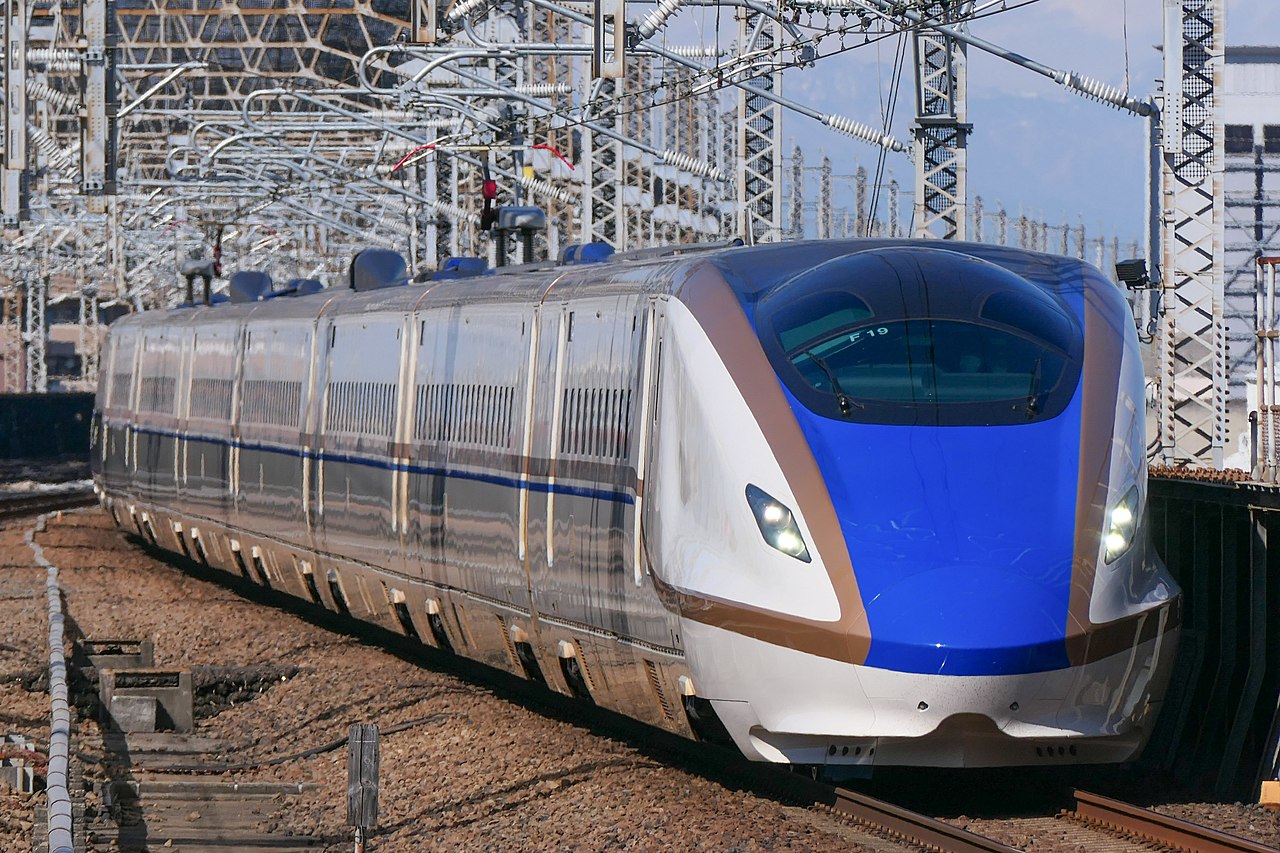
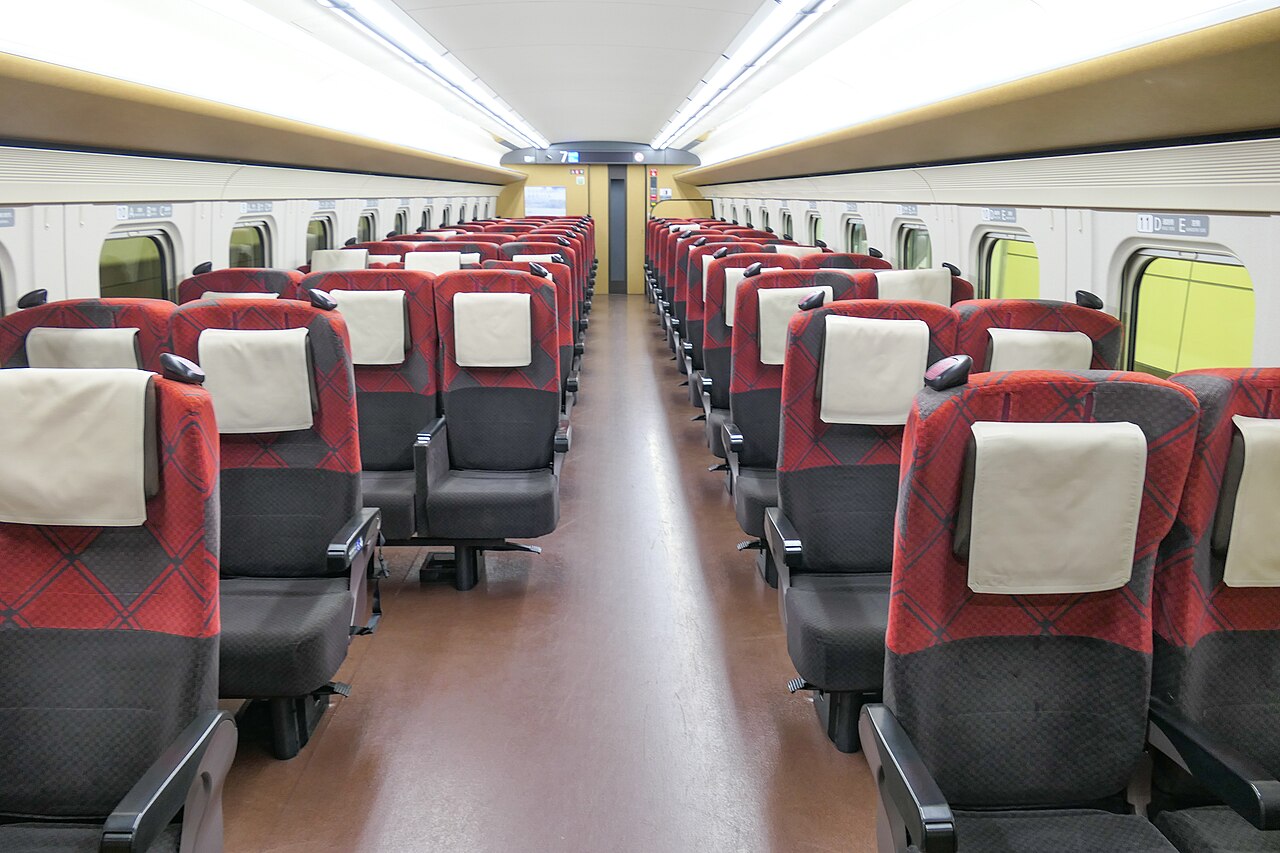
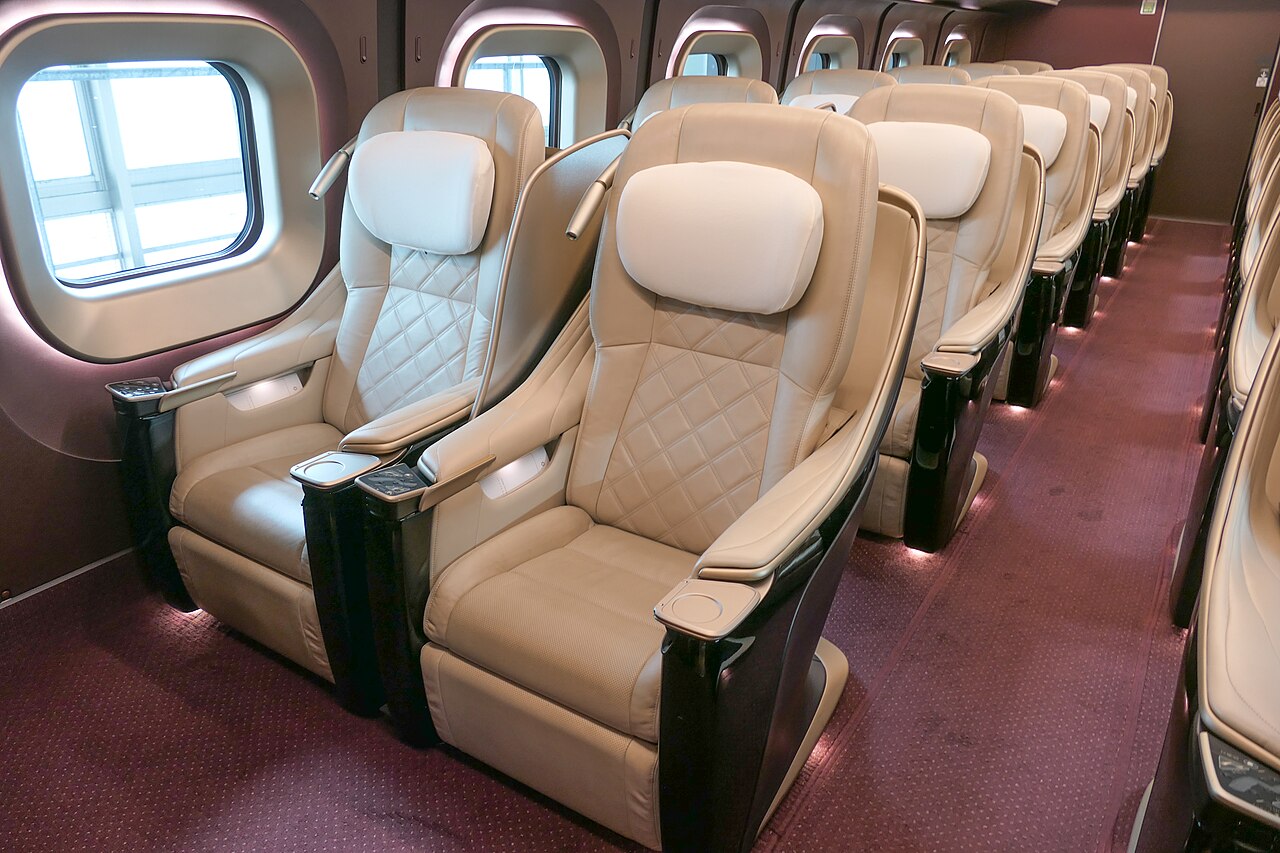
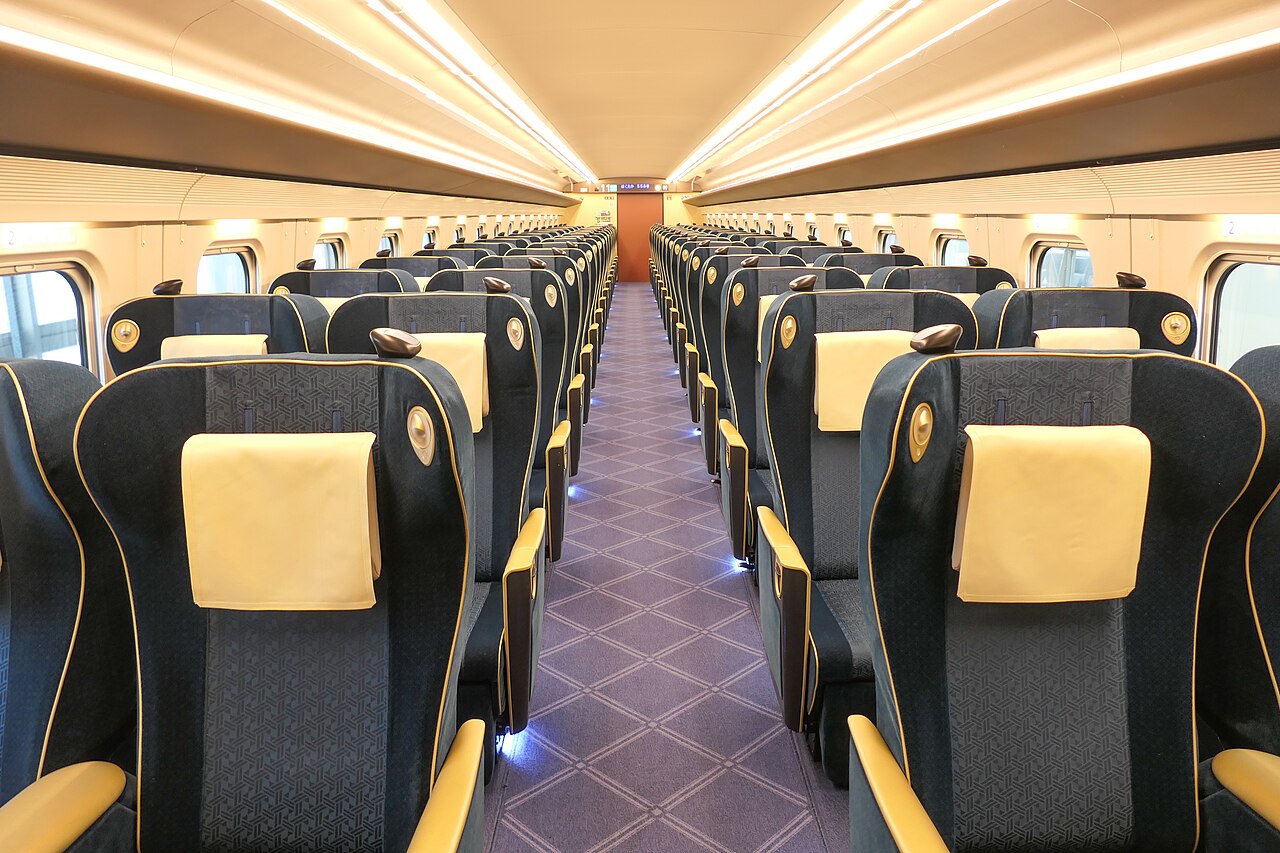
With the opening of the Hokuriku Shinkansen extension from Nagano to Kanazawa on 14 March 2015, E7 sets began working Kagayaki, Hakutaka, and Tsurugi services alongside the JR West W7, which entered revenue service the same day. The 12-car sets, made up of ten motored intermediate cars and two unpowered end cars, were introduced with 934 seats across Gran Class, Green car, and ordinary-class accommodation, and have a maximum design speed of 275 km/h.
In October 2019, eight E7 and two W7 sets were damaged when the Chikuma River burst its banks during Typhoon Hagibis and flooded JR East's Nagano Shinkansen Vehicle Center, where they were stored; these 10 sets (120 cars) were one-third of the Hokuriku fleet. On 6 November 2019 the two operators announced that all would be scrapped, the first withdrawals of either type. The E7 also entered Jōetsu Shinkansen service from the March 2019 timetable revision, initially on four return Toki services between Tokyo and Niigata and one return Tanigawa service between Tokyo and Echigo-Yuzawa; from 18 March 2023 the Jōetsu Shinkansen fleet was standardised on the E7, replacing the older E2 series, as the line's speed between Ōmiya and Niigata rose from 240 to 275 km/h. Following the Hokuriku Shinkansen's extension from Kanazawa to Tsuruga on 16 March 2024, the Nagano-depot E7 sets and the W7 came to operate across all five prefectures of the Hokushin'etsu region.
Timeline
- 2014Revenue service begins on 15 March; the first three E7 sets (F1-F3) enter Asama service between Tokyo and Nagano on the Hokuriku (then Nagano) Shinkansen.
- 2015From 14 March, with the Hokuriku Shinkansen extension from Nagano to Kanazawa, E7 sets work Kagayaki, Hakutaka, and Tsurugi services alongside the JR West W7 series, which enters service the same day.
- 2019Eight E7 and two W7 sets (10 sets / 120 cars, one-third of the Hokuriku fleet) are damaged by Typhoon Hagibis floodwaters at the Nagano Shinkansen Vehicle Center; on 6 November 2019 JR East and JR West announce that all will be scrapped. Separately, the E7 enters Jōetsu Shinkansen service (Toki, Tanigawa) from the March 2019 timetable revision.
- 2024Following the Hokuriku Shinkansen extension from Kanazawa to Tsuruga on 16 March, the Nagano-depot E7 sets and the W7 come to operate across all five prefectures of the Hokushin'etsu region.
Sources
Last updated 16 October 2026.
Gallery 5 photos
Every photo for this page. Tap any image to view it full-size. All from Wikimedia Commons (credit under each).